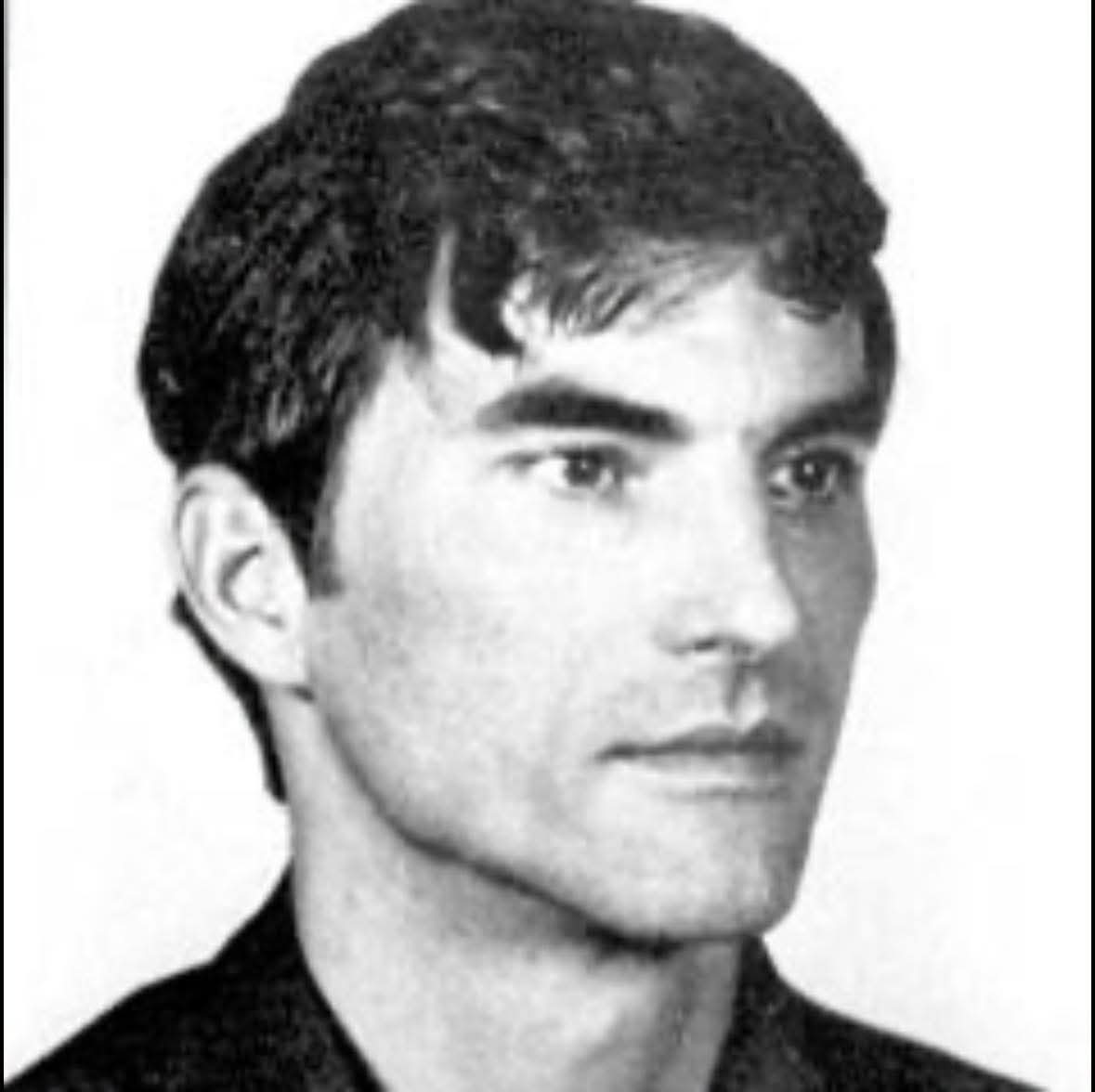
Today marks five years since the passing of Thomas Cleary, one of the most important figures in the transmission of Buddhism to the English-speaking world. Although he never founded a large sangha, established a monastery, or occupied a prominent public role, few individuals have done more to place the literary and philosophical treasures of Asian Buddhism into the hands of Western practitioners.
Born in New Brunswick, New Jersey, in 1949, Cleary developed an interest in Buddhism as a teenager and pursued the study of Asian languages with extraordinary dedication. He earned a doctorate in East Asian Languages and Civilizations from Harvard University and later completed a law degree at the University of California, Berkeley. Yet he deliberately avoided a conventional academic career, choosing instead to work independently as a translator and writer. He once remarked that he preferred to reach people directly through books rather than through institutions.
Cleary was not a Zen teacher in the formal sense, but Zen shaped much of his life’s work. His first major publication, completed with his brother J. C. Cleary, was the landmark English translation of the Blue Cliff Record, one of the foundational collections of Chan and Zen kōans. For many Western students, that volume provided a first encounter with the language, humor, and uncompromising spirit of classical Zen literature.
Over the following four decades, Cleary translated more than eighty books spanning Buddhism, Taoism, Confucianism, Islamic mysticism, classical strategy, and philosophy. His Buddhist works alone included translations from Chinese, Japanese, Sanskrit, and Pali sources. Among his most enduring contributions are Zen Essence, Instant Zen, The Book of Serenity, Transmission of Light, The Lankavatara Sutra, and his monumental translation of the Avataṃsaka Sutra, published as The Flower Ornament Scripture. At more than sixteen hundred pages, it remains one of the most ambitious single-author translation projects in modern Buddhist scholarship.
Cleary’s influence on American Zen is difficult to overstate. Long before many classical texts were widely available, his translations offered practitioners direct access to the words of Chinese Chan masters, Japanese Zen teachers, and Mahāyāna philosophers. A generation of Western Buddhists encountered Linji, Foyan, Dahui, Keizan, and Hakuin through his work. His translation of Keizan’s Transmission of Light helped introduce many Soto practitioners to their own lineage history, while Instant Zen brought the teachings of Foyan into countless practice communities.
Robert Thurman once described Cleary as “the greatest translator of Buddhist texts from Chinese or Japanese into English of our generation,” noting that he had gone a long way toward building the beginnings of a Buddhist canon in English. Whether or not one accepts such superlatives, it is difficult to imagine the landscape of contemporary Western Buddhism without his contributions.
Thomas Cleary lived quietly, largely outside institutional life and public attention. Yet through thousands of pages of translation, commentary, and scholarship, he became one of the great bridge-builders between Asia and the West. His legacy endures every time a practitioner opens a volume of Zen teachings and encounters, in clear and accessible English, voices that might otherwise have remained distant across languages and centuries.